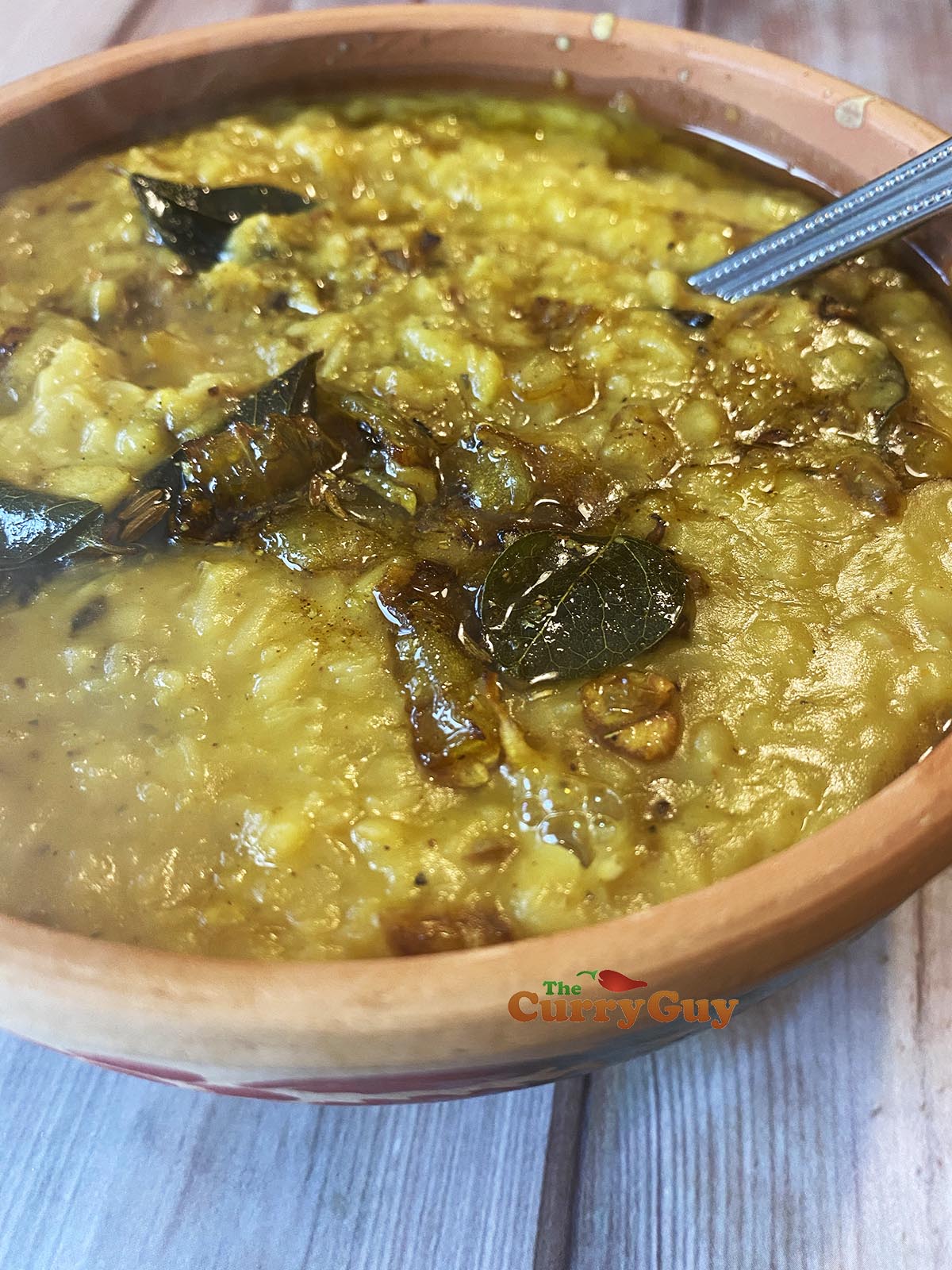
Secrets to Restaurant-Style Tarka Dhal at Home
There’s a certain magic to the tarka dhal served in your favorite Indian restaurant – that creamy, comforting lentil dish, brimming with aromatic spices and a vibrant, sizzling tempering that tantalizes the senses. It’s rich yet light, deeply flavorful yet surprisingly simple. Many home cooks aspire to recreate this culinary masterpiece, often finding their attempts fall short of that elusive restaurant quality. But what if we told you the secret isn't a complex technique or exotic ingredients, but rather a deeper understanding of the core components and a few crucial steps? Unlocking the authentic taste of restaurant-style tarka dhal at home is entirely within your reach, and we're here to reveal the secrets. Prepare to transform your kitchen into a haven of aromatic Indian cuisine and impress your family and friends with a tarka dhal that rivals the best eateries.
The Foundation: Perfecting Your Dal Base
The heart of any exceptional tarka dhal lies in its beautifully cooked lentils. This isn't just about boiling them until soft; it's about achieving that perfect creamy, melt-in-your-mouth texture that forms the ideal canvas for the vibrant tempering. Getting this right is the crucial first step towards an authentic restaurant experience.
Choosing the Right Lentils
While many dals exist, most restaurant-style tarka dhal relies on either
Toor Dal (split pigeon peas) or a combination of Toor and
Masoor Dal (red lentils). Toor dal provides a delightful nutty flavor and a sturdy texture that holds up well, while Masoor dal cooks quickly and lends a lovely creaminess. Some recipes might also incorporate a small amount of
Moong Dal (split yellow lentils) for a silkier finish. Experiment to find your preferred blend, but for a classic profile, start with Toor dal. Ensure your lentils are fresh; older lentils can take longer to cook and might not achieve the desired creaminess.
Soaking & Cooking Techniques
Soaking lentils might seem like an optional step, but for Toor dal, it's highly recommended. Soaking for 30 minutes to an hour (or even longer) reduces cooking time, aids in digestion, and helps the lentils cook more uniformly, resulting in a creamier texture.
When it comes to cooking, you have two primary methods:
*
Pressure Cooker: This is the quickest and often preferred method for achieving perfectly cooked lentils. After a quick rinse, combine your soaked lentils with 3-4 times their volume of water, a pinch of turmeric (for color and flavor), and a tiny bit of oil (to prevent frothing). Cook for 3-4 whistles on medium heat, then allow the pressure to release naturally. The result should be soft, easily mashable lentils.
*
Stovetop: If you don't have a pressure cooker, cook the lentils in a large pot with plenty of water. Bring to a boil, then reduce heat and simmer, skimming off any foam that rises. Continue cooking until the lentils are completely soft and creamy, adding more hot water if necessary. This can take anywhere from 45 minutes to over an hour, depending on the lentil type and whether they were soaked.
Regardless of the method, the key is consistency. Your dal should be creamy and easily spoonable, not watery or overly thick. If it's too thick, thin it with a little hot water; if too watery, simmer gently for a few more minutes. A perfectly cooked dal base is the non-negotiable first secret to your restaurant-style tarka dhal.
The Soul of Tarka Dhal: Mastering the Tempering (Tarka)
If the dal base is the body of the dish, the tarka – or tempering – is its very soul. This vibrant, aromatic infusion of spices, sizzling in hot fat, is what elevates humble lentils into the celebrated culinary experience we know as tarka dhal. Getting the tarka right is arguably the most critical secret to achieving that coveted restaurant quality. It's an art form, a symphony of flavors released at just the right moment.
Essential Ingredients for the Tarka
A truly authentic tarka relies on a specific lineup of fresh and whole spices. While variations exist, these are your core players:
*
Ghee: The number one secret weapon for restaurant-style richness and flavor. While oil can be used, pure ghee imparts an unparalleled nutty aroma and taste.
*
Mustard Seeds: Adds a pungent, slightly bitter kick. Wait for them to splutter before adding other ingredients.
*
Cumin Seeds: Earthy and warm, these are non-negotiable.
*
Asafoetida (Hing): A small pinch is enough! It provides an onion-garlic aroma and aids digestion, especially important with lentils.
*
Curry Leaves: Fresh curry leaves (if available) add an incredible, unique fragrance.
*
Garlic & Ginger: Freshly minced or grated garlic and ginger form the aromatic backbone.
*
Green Chillies: Finely chopped, these provide a customizable heat level.
*
Onions: Finely chopped onions (often red onions) are sautéed until golden brown, adding sweetness and depth.
*
Tomatoes: Diced fresh tomatoes (or canned pureed) add tanginess and body, often cooked down until they release their oil.
*
Dry Red Chillies: Whole dried red chilies add visual appeal and a gentle, smoky heat.
*
Powdered Spices: Red chilli powder (Kashmiri for color, or regular for heat), turmeric powder (if not already in the dal), and coriander powder are often added towards the end of the tarka cooking.
The Art of Layering Flavors
The magic of the tarka isn't just *what* you add, but *when* you add it. Each ingredient has a specific point at which it releases its maximum flavor and aroma.
1.
Heat the Ghee/Oil: Start with medium heat. Once hot (but not smoking), add the whole spices.
2.
Whole Spices First: Add mustard seeds, then cumin seeds, and dry red chillies. Let the mustard seeds splutter and the cumin seeds turn fragrant (a few seconds).
3.
Aromatics: Immediately add asafoeteda, curry leaves, and then the minced garlic and ginger. Sauté until fragrant, ensuring the garlic doesn't burn.
4.
Onions: Add the chopped onions and cook until they are translucent and lightly golden brown. This develops a crucial sweetness.
5.
Tomatoes & Powdered Spices: If using, add the tomatoes and cook them down until they soften and the oil begins to separate from the mixture (this indicates they are fully cooked). At this point, stir in your powdered spices (red chilli, coriander) and cook for just 30 seconds to a minute until fragrant, being careful not to burn them.
Once your tarka is perfectly cooked, it's ready to meet your dal base. For a truly authentic experience, consider exploring a step-by-step guide to perfect this crucial tempering. You can find excellent insights to
Master The Best Tarka Dhal: An Easy Recipe Guide, which often delves deeper into the nuances of this flavor-packed process. The sizzling sound and fragrant aroma as the hot tarka is poured over the creamy dal is a moment of pure culinary bliss, creating the signature finish that restaurant-goers adore.
Elevating Your Tarka Dhal: Beyond the Basics
Once you've mastered the foundational elements – the perfectly cooked dal and the expertly executed tarka – you're ready to explore techniques that truly elevate your tarka dhal to restaurant-quality status. These are the subtle touches and optional steps that can transform a good dal into an unforgettable one.
The Secret Touch: Smoked Tarka Dhal (Dhuni)
For an unparalleled depth of flavor, many high-end Indian restaurants employ a technique called "dhuni," or smoking, for their tarka dhal. This imparts a subtle, smoky aroma that is incredibly authentic and sophisticated. To do this:
1. Heat a small piece of charcoal directly on an open flame until it's glowing red.
2. Place a small, heat-proof bowl (like a steel katori) inside your pot of prepared tarka dhal.
3. Carefully transfer the glowing charcoal into the small bowl.
4. Pour a teaspoon of ghee or oil over the hot charcoal; it will immediately begin to smoke.
5. Quickly cover the pot with a tight-fitting lid to trap the smoke. Let it infuse for 5-10 minutes (don't overdo it, or the flavor can become too intense).
6. Remove the charcoal and the small bowl before serving.
This simple step adds an incredible dimension that truly distinguishes your homemade tarka dhal.
Fresh Herbs and Finishes
The final flourish is as important as the initial steps. Fresh herbs and select spices added at the very end awaken the dish.
*
Fresh Coriander: Abundantly chopped fresh coriander (cilantro) is essential. Stir some into the dal just before serving, and garnish generously on top. Its vibrant, fresh notes cut through the richness.
*
Garam Masala: A pinch of high-quality garam masala sprinkled over the top at the very end (after the tarka has been mixed in) adds a final layer of warm, complex spice. Avoid cooking it for too long, as its delicate aromas can diminish.
*
Kasuri Methi (Dried Fenugreek Leaves): Crushing a small amount of kasuri methi between your palms and adding it to the dal just before serving can lend a wonderfully earthy, slightly bitter, and aromatic complexity. It's a hallmark of many restaurant dals.
Adjusting Consistency and Flavor
A chef’s secret weapon is always tasting and adjusting.
*
Consistency: Tarka dhal should be thick enough to cling to rice or roti, but still flowing. If it's too thick, thin it with hot water or vegetable broth. If too thin, simmer gently, stirring frequently, until it reduces.
*
Salt: Always adjust salt at the end. Lentils can absorb a lot of salt during cooking, so a final check is crucial.
*
Acidity: A squeeze of fresh lemon or lime juice just before serving brightens all the flavors and adds a pleasant tang. It's a small touch that makes a big difference.
By incorporating these techniques, you're not just cooking; you're crafting a culinary experience. And remember, tarka dhal is incredibly versatile – it's both satisfyingly hearty and wonderfully adaptable. If you're looking for ways to fit this delicious dish into your busy schedule, explore resources like
Quick & Healthy Tarka Dhal: Perfect Weeknight Meal for inspiration on making it a regular, wholesome part of your diet.
Common Pitfalls and How to Avoid Them
Even with the best intentions, a few common mistakes can prevent your homemade tarka dhal from reaching its full potential. Being aware of these pitfalls and knowing how to sidestep them is another key secret to achieving restaurant-quality results consistently.
1. Undercooked Lentils
**The Problem:** Lentils that are too firm or grainy will result in a tarka dhal that lacks the desired creamy texture and often tastes raw. This is a common issue when cooking on the stovetop without sufficient time or when using old lentils in a pressure cooker.
**The Fix:** Always ensure your lentils are completely soft and easily mashable before adding the tarka. If using a pressure cooker, ensure adequate cooking time and natural pressure release. For stovetop, simply simmer longer, adding more hot water if needed, until they reach that creamy consistency. Soaking lentils beforehand significantly helps.
2. Burnt Tarka (Tempering)
**The Problem:** Overcooked or burnt spices in the tempering will impart a bitter, acrid taste to the entire dish, ruining its delicate balance of flavors. This often happens by heating the oil too high or leaving spices in for too long.
**The Fix:** Heat your ghee or oil to the right temperature (medium-low for whole spices, medium for aromatics). Add whole spices (mustard, cumin, dry chilies) first and cook only until they splutter and become fragrant – often just seconds. Then add aromatics like ginger, garlic, and onions, cooking them until golden, not charred. When adding powdered spices, cook them for only 30 seconds on very low heat, stirring constantly, before incorporating the dal. Speed and vigilance are key here.
3. Lack of Depth in Flavor
**The Problem:** Your tarka dhal might taste "flat" or one-dimensional, lacking that complex, layered flavor profile found in restaurants. This often stems from not cooking ingredients sufficiently or missing key aromatics.
**The Fix:** Don't rush the process. Cook onions until deeply golden brown, tomatoes until the oil separates, and ensure ginger and garlic are fragrant. Use fresh ingredients whenever possible (fresh ginger, garlic, curry leaves). Incorporate the full spectrum of tempering ingredients, including asafoetida, and consider the smoky 'dhuni' technique for an added layer of flavor. Don't forget the final touch of fresh coriander, garam masala, and kasuri methi.
4. Incorrect Consistency
**The Problem:** Tarka dhal that's either too watery or too thick can be unappealing. Too watery dilutes flavors; too thick feels heavy and cloying.
**The Fix:** Start with enough water for cooking lentils, but always have extra hot water or broth on hand. If the dal is too thick after cooking and tempering, gradually stir in hot water until it reaches your desired consistency. If it's too thin, simmer it gently for a few minutes, stirring occasionally, to allow it to reduce and thicken. Remember, it will thicken slightly as it cools.
5. Under-seasoning or Over-seasoning
**The Problem:** Not enough salt makes the dal bland; too much makes it inedible.
**The Fix:** Add salt in stages. Season the lentils during cooking, but not heavily. Once the tarka is incorporated and the dal has simmered for a bit, taste it. Adjust the salt content as needed. Remember that certain ingredients, like asafoetida, contain some salt, and fresh lemon juice added at the end can balance seasoning. Always taste before serving!
By paying attention to these common pitfalls, you can confidently navigate the process and ensure your tarka dhal consistently achieves that desired restaurant-quality excellence.
Conclusion
Recreating restaurant-style tarka dhal at home is not an unattainable dream, but a delightful culinary journey. By understanding the foundational principles of cooking your lentils to creamy perfection, mastering the art of the aromatic tempering (tarka), and embracing the subtle finishing touches, you can transform humble ingredients into a dish that rivals your favorite Indian eatery. Remember, the secrets lie in quality ingredients, patient layering of flavors, and the confidence to adjust and taste along the way. So, roll up your sleeves, gather your spices, and embark on this flavorful adventure. Your efforts will be richly rewarded with a bowl of comforting, deeply satisfying tarka dhal that will undoubtedly become a cherished staple in your home kitchen. Enjoy the magic!